Blog

Pros and Cons of Choosing Concrete Pavers for Your Driveway

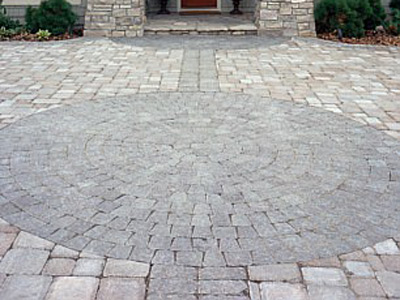
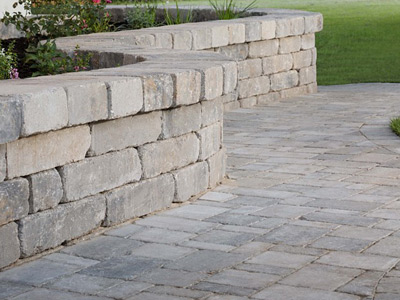
Concrete pavers emerge as a popular and versatile option when selecting the ideal material for your driveway. These interlocking, precast pieces offer a wide range of benefits but also have their fair share of drawbacks. To help you make an informed decision, the Stone Deck team discusses the pros and cons of choosing concrete pavers for your driveway.

Pros of Concrete Pavers

The pros of concrete pavers include the following:

  • Concrete pavers are available in various shapes, sizes, colors, and textures. This versatility allows you to create a driveway that complements your home's architecture and landscaping.

  • They are solid and durable, can withstand heavy loads, and resist cracking better than poured concrete or asphalt driveways.
  • If a paver becomes damaged or stained, you can replace it individually without disturbing the rest of the driveway. This makes repairs convenient and cost-effective.
  • Concrete pavers require minimal maintenance. Regular sweeping and occasional power washing are sufficient to keep them pristine.
  • The textured surface of concrete pavers provides very good traction, reducing the risk of slips and falls, particularly in wet/icy conditions.
  • Permeable concrete pavers are designed to allow water to pass through them, reducing runoff and helping manage drainage effectively.
  • Concrete pavers are often made from sustainable materials, and their permeable versions contribute to eco-friendly landscaping practices.
  • Cons of Concrete Pavers

    The downsides of using concrete pavers include the following:

    • While the pavers are relatively affordable, the installation cost can be higher than other driveway materials. Proper base preparation and labor can contribute to this expense.

  • The gaps between concrete pavers can allow weeds to grow. Regular maintenance activities like weed barriers or joint sand are necessary to prevent this issue.
  • Over time, concrete pavers may shift or settle, resulting in an uneven surface. This can be mitigated with proper installation techniques and regular maintenance.
  • Concrete pavers are susceptible to stains from oil, grease, and other substances. Prompt cleaning and sealing can help prevent permanent staining.
  • While concrete pavers are durable, they may not be suitable for extremely heavy vehicles like large trucks or RVs. Consider the weight limitations for your specific application.
  • Concrete pavers may fade or weather over time due to exposure to sunlight and the elements. Sealants can help preserve their color and appearance.
  • Periodic sealing is recommended to maintain the appearance and longevity of concrete pavers. While not overly expensive, it is an additional maintenance cost to consider.
  • Are Concrete Pavers the Right Choice for You?

    Consider the following factors to determine if concrete pavers are the right choice for you:

    • Concrete pavers may have higher initial installation costs than other materials, so ensure they align with your budget.

  • Concrete pavers offer an array of options if you value design versatility and want a driveway that complements your home's style.
  • Assess your willingness to perform regular maintenance, including cleaning, sealing, and weed control.
  • Consider your local climate and how concrete pavers perform in various weather conditions.
  • If you anticipate heavy vehicles on your driveway, consult a professional to ensure concrete pavers can handle the load.
  • If environmental sustainability is essential to you, permeable concrete pavers can contribute to better water management.
  • Evaluate your long-term goals for your property. Concrete pavers can be a durable and attractive choice for homeowners who plan to stay in their homes for an extended period.
  • For information on our concrete paver and other services, call Stone Deck at 512-863-0057 or email us through this online form.

    ← Back To Blog

    Recommended Posts

    Permeable pavers manage rainwater while creating a finished surface for walking

    Permeable Pavers: How They Work and Benefit Central Texas Properties

    Water collecting on your patio or running off your driveway can make an outdoor space harder to use. Permeable pavers offer a way to manage that rainwater while creating a finished surface for walking, parking, or entertaining. Permeable pavers are paving units installed as part of a system that lets rainwater pass through the surface into a stone base below. That base temporarily holds water before it soaks into the soil or moves through a drainage outlet. For homeowners in Central Texas, the right system depends on more than the paver’s appearance. Soil, slope, rainfall, and how you plan to use the space all affect its design. How Permeable Pavers Take In Water People often describe permeable pavers as absorbing water. With most interlocking systems, water actually drains through stone-filled joints between the pavers rather than soaking through the solid paving units. The system works in layers: Rain reaches the surface. Open joints allow it to move between the pavers. Water enters the stone base. Spaces between the stones provide temporary storage. Water drains from the base. Depending on the design, it infiltrates the soil below or leaves through an underdrain. An underdrain is a pipe that carries collected water to a suitable outlet when the ground cannot absorb it quickly enough. The pavers, joints, base, and drainage provisions must work together. Permeable Pavers vs. Regular Pavers A paved surface is not automatically permeable just because it has joints. Conventional pavers may use joint fillers and a compacted base that limit water movement. A permeable installation uses specific joint materials and an open stone base designed to receive and manage rainfall. Leaving wider gaps between ordinary pavers does not create a complete drainage system. The materials beneath the surface matter just as much as the pavers you see. Benefits Beyond Appearance Less Rainwater Runoff A properly designed permeable surface captures some rainfall where it lands. This can reduce the volume and speed of water flowing toward nearby landscape beds, sidewalks, or storm drains. Where soil conditions allow infiltration, more water can soak into the ground. Reduced Surface Pooling Water has a path beneath the paving surface instead of relying entirely on runoff across it. That can help reduce puddles, provided the system has enough drainage and storage capacity. Permeable pavers cannot prevent every drainage problem. Intense rainfall, saturated soil, or clogged joints can still cause water to collect. Less Erosion From Concentrated Runoff Slowing and collecting rainwater can help reduce the flow that washes soil or mulch out of adjacent beds. The surrounding landscape still needs proper grading and drainage. Design Options for Outdoor Spaces Permeable paving can combine water management with the look of a finished patio, walkway, or driveway. Stone Deck offers permeable paver systems for these applications, with material selection and base preparation tailored to the project. Central Texas Soil Requires Careful Planning Some Central Texas properties have clay soils that absorb water slowly. A surface that drains quickly is only useful if the layers below can store and release that water appropriately. Before installation, the site needs an assessment of soil drainage, slope, nearby structures, and available outlets. Slow-draining ground may require an underdrain or another designed drainage approach. The goal is to manage water safely—not simply move it below the pavers. Permeable paving should not direct unwanted moisture toward a foundation or neighboring property. Where Permeable Pavers Can Be Used Permeable pavers can work for: Patios and outdoor seating areas. Garden paths and walkways. Residential driveways. Selected parking areas. Driveways need pavers and a base designed for vehicle loads. A pedestrian patio has different structural requirements. Product selection, excavation depth, and base construction should reflect the intended use. Sloped sites also need additional consideration because water moves differently through an inclined installation. A site evaluation helps determine whether permeable paving is appropriate. Maintenance Keeps Water Moving Permeable pavers need maintenance to keep their drainage openings clear. Dirt, leaves, mulch, and other debris can gradually clog the joints and slow infiltration. Remove surface debris regularly and keep loose soil from washing onto the paving. Periodic vacuum cleaning may be needed to remove sediment from the joints. The joint stone may also need replenishing afterward. Follow the installer’s maintenance instructions for your particular system. If water starts lingering where it previously drained, arrange an inspection. The cause could be clogged joints, an obstructed outlet, or a problem below the surface. What Affects the Installation Cost Permeable paver pricing depends on the project’s size, material choice, excavation, base depth, and drainage requirements. Access for equipment and removal of an existing surface can also affect the work involved. Compare estimates for the complete installation. An attractive paver laid over an unsuitable base will not deliver the same performance as a properly designed permeable system. Find the Right Pavers With Stone Deck Stone Deck designs and installs permeable paver systems and serves Central Texas communities including Georgetown, Austin, Round Rock, Cedar Park, and Liberty Hill. If you have more questions about permeable pavers, Stone Deck can explain your options and help you choose the best pavers for your project’s use, appearance, and drainage needs. The team can also handle installation, from site preparation through the finished surface. Contact Stone Deck to discuss your project and request an estimate.
    Concrete And Permeable Paver Applications

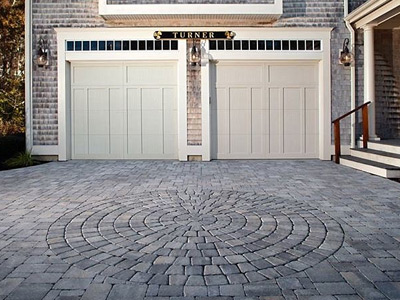
    At Stone Deck, we can assist with Retaining walls, Concrete Driveways, Pool Decks, Patios, and more. Our specialist concrete and permeable pavers services are not limited to these alone. We can design and install various types of concrete structures. Range of Hardscaping Services Here is a closer look at some installations that skilled hardscapers can help with. Pool Decks When you have a swimming pool in your yard, you would like to maximize its value via careful design and installation. The poolscape is a spot for family and friends to unwind. When designing these areas, it is essential to consider that the floors will be exposed to the elements and that the chosen materials must be able to survive seasonal variations. Skilled hardscapers offer exceptional pool deck planning and construction. They understand what it takes to provide consumers with durable, functional, distinctive, and aesthetically pleasing pool decks. You can choose between the paver and concrete pool decks. Each of these materials has its pros and cons, and the designers will provide you with the details you need to determine the best option for your requirements. Driveways Your driveway is undoubtedly one of your residence's most used outdoor areas since it is subject to foot and vehicle traffic. It also must endure debris, dust, sap, and oil stains. It must also be resistant to the sun's UV rays. It is hardly unexpected that driveways swiftly lose their vitality and appeal. As a trained and seasoned business, we acknowledge the significance of installing a superb driveway. Permeable pavers are a promising material option for driveways and are ideal for residential and commercial premises. The surfaces will not lose their traction or become slippery. Permeable paver stones are versatile and may be utilized in virtually any outdoor location, including terraces, patios, decks, walkways, entryways, paths, and outdoor kitchens. This quality makes it easy to establish a uniform appearance in the exterior areas of your home. If you prefer a concrete driveway, you can discuss options such as coloring, stamping, etc. Concrete driveways are more economical than paved surfaces but may require additional maintenance. Patios Employing a company that uses premium materials and cutting-edge equipment guarantees that you will always receive the finest patio installations. The specialists guarantee that everything is perfectly polished, from sharp sides to level surfaces. Experienced professionals produce distinctive and beautiful concrete elements. As a result of their individualized approach, you receive a finished product per your concepts and goals. The right material selections can provide you with long-term value and excellent ROI. Some homeowners like the feel and look of concrete patios, which are less expensive than pavers. You can have them fashioned to resemble natural materials such as stone, so you get a more cost-effective surface at the cost of a concrete one. Regardless of the types of hardscapes you need, hiring skilled and experienced professionals will help to ensure that you get durable and attractive outdoor spaces on your property. For more details about how Stone Deck can help with your next hardscaping project, call us at 512-863-0057. You can also write to us via this Online Form, and we will contact you soon to discuss your project details. ← Back To Blog

    All About Retaining Walls

    Retaining walls are structures designed to resist lateral pressure from soil and hold it in place. They are commonly used in landscaping, civil engineering, and construction projects to create level surfaces and prevent soil erosion. Retaining walls are not only functional but can also enhance the aesthetic appeal of a property. Our team at Stone Deck is here to help you figure the right choice for you. Various types of retaining walls can be used depending on the project's specific needs. Here are some of the most common types of retaining walls: Gravity Walls These structures rely on their weight to resist pressure from the soil. They are typically made of concrete or masonry and are the simplest and most cost-effective type of retaining wall. They are suitable for low-height walls with a maximum height of 3-4 feet. Cantilever Walls Cantilever walls are made of reinforced concrete and are supported by a footing. They are designed in an L-shape, with a horizontal base and a vertical wall extending upwards. They are suitable for walls with heights up to 25 feet. Counterfort Walls All counterfort walls are like cantilever walls but have additional vertical concrete webs, known as counterforts, placed perpendicular to the wall. This extra reinforcement allows for excellent stability and support, making them suitable for walls with heights up to 40 feet. Sheet Pile Walls Sheet pile structures are made of steel, vinyl or wood planks driven vertically into the ground. They are suitable for sites with limited space and are often used for temporary structures such as cofferdams, but they can also be used for permanent installations. Materials Used in Retaining Wall Construction Here are some of the most common materials used in retaining wall construction: Concrete: Concrete is one of the most common materials used in retaining walls due to its strength, durability, and versatility. Concrete blocks, precast concrete panels, and poured concrete are all popular options for retaining walls. Stone: Natural stone is a popular choice for retaining walls as it offers the landscape a natural and aesthetic look. These walls can be constructed using various stones, including granite, limestone, sandstone, and basalt. Stone retaining walls are stacked without any mortar or adhesive. Brick: Brick is another popular material used in retaining wall construction due to its durability and aesthetic appeal. Mortar is used to hold the bricks together in a brick retaining wall. Wood: Wood retaining walls are a popular choice for residential landscaping projects as they offer a natural and rustic look. Treated lumber, such as pressure-treated pine and cedar, is commonly used in wood retaining walls. For more information on retaining walls or any of our services, feel free to contact the experts at Stone Deck at 512-863-0057 or via this online form. ← Back To Blog