Permeable pavers are paving units installed as part of a system that lets rainwater pass through the surface into a stone base below. That base temporarily holds water before it soaks into the soil or moves through a drainage outlet.
For homeowners in Central Texas, the right system depends on more than the paver’s appearance. Soil, slope, rainfall, and how you plan to use the space all affect its design.
How Permeable Pavers Take In Water
People often describe permeable pavers as absorbing water. With most interlocking systems, water actually drains through stone-filled joints between the pavers rather than soaking through the solid paving units.The system works in layers:
- Rain reaches the surface. Open joints allow it to move between the pavers.
- Water enters the stone base. Spaces between the stones provide temporary storage.
- Water drains from the base. Depending on the design, it infiltrates the soil below or leaves through an underdrain.
Permeable Pavers vs. Regular Pavers
A paved surface is not automatically permeable just because it has joints.Conventional pavers may use joint fillers and a compacted base that limit water movement. A permeable installation uses specific joint materials and an open stone base designed to receive and manage rainfall.
Leaving wider gaps between ordinary pavers does not create a complete drainage system. The materials beneath the surface matter just as much as the pavers you see.
Benefits Beyond Appearance
Less Rainwater Runoff
A properly designed permeable surface captures some rainfall where it lands. This can reduce the volume and speed of water flowing toward nearby landscape beds, sidewalks, or storm drains. Where soil conditions allow infiltration, more water can soak into the ground.Reduced Surface Pooling
Water has a path beneath the paving surface instead of relying entirely on runoff across it. That can help reduce puddles, provided the system has enough drainage and storage capacity.Permeable pavers cannot prevent every drainage problem. Intense rainfall, saturated soil, or clogged joints can still cause water to collect.
Less Erosion From Concentrated Runoff
Slowing and collecting rainwater can help reduce the flow that washes soil or mulch out of adjacent beds. The surrounding landscape still needs proper grading and drainage.Design Options for Outdoor Spaces
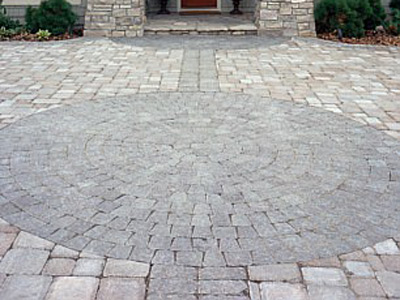
Permeable paving can combine water management with the look of a finished patio, walkway, or driveway. Stone Deck offers permeable paver systems for these applications, with material selection and base preparation tailored to the project.Central Texas Soil Requires Careful Planning
Some Central Texas properties have clay soils that absorb water slowly. A surface that drains quickly is only useful if the layers below can store and release that water appropriately.Before installation, the site needs an assessment of soil drainage, slope, nearby structures, and available outlets. Slow-draining ground may require an underdrain or another designed drainage approach.
The goal is to manage water safely—not simply move it below the pavers. Permeable paving should not direct unwanted moisture toward a foundation or neighboring property.
Where Permeable Pavers Can Be Used
Permeable pavers can work for:- Patios and outdoor seating areas.
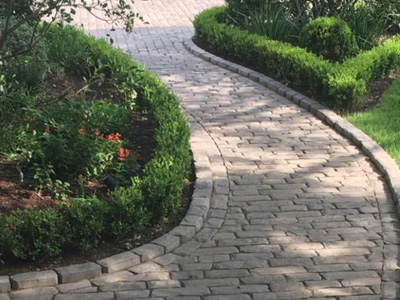
- Garden paths and walkways.
- Residential driveways.
- Selected parking areas.
Sloped sites also need additional consideration because water moves differently through an inclined installation. A site evaluation helps determine whether permeable paving is appropriate.
Maintenance Keeps Water Moving
Permeable pavers need maintenance to keep their drainage openings clear. Dirt, leaves, mulch, and other debris can gradually clog the joints and slow infiltration.Remove surface debris regularly and keep loose soil from washing onto the paving. Periodic vacuum cleaning may be needed to remove sediment from the joints. The joint stone may also need replenishing afterward. Follow the installer’s maintenance instructions for your particular system.
If water starts lingering where it previously drained, arrange an inspection. The cause could be clogged joints, an obstructed outlet, or a problem below the surface.
What Affects the Installation Cost
Permeable paver pricing depends on the project’s size, material choice, excavation, base depth, and drainage requirements. Access for equipment and removal of an existing surface can also affect the work involved.Compare estimates for the complete installation. An attractive paver laid over an unsuitable base will not deliver the same performance as a properly designed permeable system.
Find the Right Pavers With Stone Deck
Stone Deck designs and installs permeable paver systems and serves Central Texas communities including Georgetown, Austin, Round Rock, Cedar Park, and Liberty Hill.If you have more questions about permeable pavers, Stone Deck can explain your options and help you choose the best pavers for your project’s use, appearance, and drainage needs. The team can also handle installation, from site preparation through the finished surface.
Contact Stone Deck to discuss your project and request an estimate.