Blog / Permeable Pavers

How Much Does Paver Cleaning and Sealing Cost?

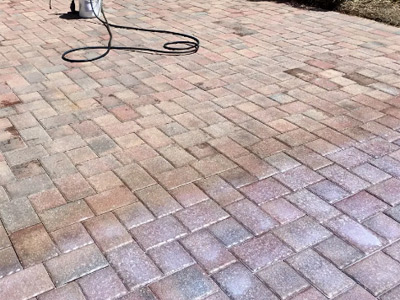
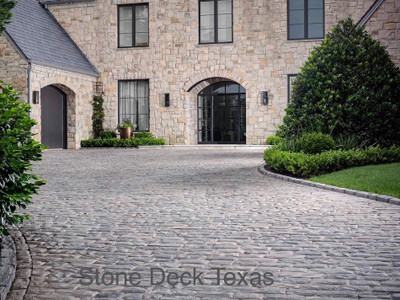
Stone Deck cleans and seals driveway and walkway pavers

Oil stains on the driveway, weeds between patio pavers, or a cloudy finish can leave you wondering whether your pavers need cleaning, sealing, or repairs. The answer affects the price.

As a general budgeting reference, HomeGuide lists professional paver cleaning and sealing at approximately $1.50 to $3.25 per square foot, including cleaning, filling gaps with paver sand, and applying sealer. This is a published national range, not a Stone Deck price quote or a verified Central Texas average.

Stone Deck provides paver cleaning and sealing in Georgetown and the surrounding Central Texas area. An assessment helps determine whether your surface needs routine maintenance, stain treatment, repairs, or replacement before sealing.

What Could Your Paver Project Cost?

Using the published range above, these calculations provide a starting point:

Paved Area Illustrative Cleaning and Sealing Budget
200 square feet $300–$650
400 square feet $600–$1,300
600 square feet $900–$1,950
1,000 square feet $1,500–$3,250

These examples multiply area by the reference rate. Minimum service charges, difficult access, repairs, and old sealer removal can change the total. Small projects may have a higher cost per square foot.

Measure the length and width of each paved section before requesting an estimate. Include steps, borders, and separate walkways so the contractor can account for the complete project.

What Affects the Cost to Clean and Seal Pavers?

Stains and Surface Buildup

A lightly soiled patio requires different preparation than a driveway with vehicle oil stains. Paver stain removal may involve targeted treatment before general cleaning.

White deposits also need attention. Efflorescence removal addresses mineral deposits that can appear on concrete pavers. Sealing over an unresolved surface problem can leave you paying for a finish you are unhappy with.

Missing Joint Sand

Joint sand replacement can be part of the work when joints have washed out or become contaminated. Polymeric sand may be appropriate for some installations, but the product must suit the pavers, joint dimensions, and installation.

Stone Deck offers joint maintenance as part of its paver repair and replacement services. Ask whether your estimate includes sand removal, replacement, and the required installation steps.

Old or Failing Sealer

Paver resealing cost depends partly on what is already on the surface. A compatible, sound coating may require different preparation than one that is peeling or has uneven bare patches.

Do not assume another coat will fix a cloudy finish. Existing sealer condition and product compatibility should be checked before resealing. Old paver sealer removal may be necessary.

Repairs Before Sealing

Sealer will not level a sunken walkway, replace a broken paver, or correct poor drainage. Those problems need separate work.

Stone Deck inspects paved areas before cleaning and sealing and identifies repairs or replacements needed first. Its service page also describes providing a detailed breakdown of the proposed work.

Patio Paver Sealing Cost vs. Driveway Cost

A driveway often has more square footage than a patio, increasing the total project cost. Vehicle stains and tire traffic can also affect preparation.

Patios can present their own challenges: narrow access, furniture removal, grill grease, and multiple small sections. Comparing only the paver sealing cost per square foot can hide differences in what each estimate includes.

Ask contractors to separate:

  • Cleaning and stain treatment
  • Joint sand work
  • Sealer preparation and application
  • Repairs or leveling
  • Furniture moving and site cleanup

For a cleaning-only quote, confirm the paver cleaning cost per square foot separately. A combined cleaning-and-sealing rate does not tell you what washing alone will cost.

Choosing the Sealer

A water-based paver sealer describes the product’s formulation. A wet-look paver sealer describes the appearance it creates. These categories can overlap.

Discuss the finish you want before purchasing a product. Some homeowners want richer color or gloss; others prefer a more natural appearance. Have a small test area completed and review compatibility with any existing coating. Manufacturer guidance also sets application conditions and drying requirements.

In Georgetown, Austin, and nearby communities, scheduling should account for surface temperature and rain. A sunny afternoon does not automatically provide suitable sealing conditions.

DIY Tips That Can Help Control Maintenance Costs

Routine paver patio maintenance can reduce the amount of buildup that needs attention later.

Sweep and Treat Spills Early

Remove leaves, dirt, and loose debris regularly. Use a cleaner approved for your paver material, following its directions. Test an inconspicuous area before treating a visible stain.

Be Careful With Pressure Washing

Paver pressure washing can damage the finish if the pressure or technique is wrong. Belgard specifically cautions that power washing can expose the aggregate on concrete pavers. Start with gentle cleaning rather than assuming more pressure will produce a better result.

Check the Joints and Surface

Look for missing sand, rocking pavers, low spots, and water collecting after rain. Photograph the problem areas for your estimate. Addressing the cause helps avoid spending money sealing a surface that still needs repair.

Follow Product Instructions Before DIY Sealing

Check the required preparation, weather window, application rate, and curing time. Avoid adding extra coats for reassurance. Belgard warns that overly frequent sealer applications can create haze.

Include cleaners, equipment rental, sand, sealer, and your time when comparing DIY expenses with professional paver cleaning and sealing.

How Often Should Pavers Be Cleaned and Sealed?

Sweep and spot-clean as needed. Deep cleaning and resealing follow a different schedule.

Belgard recommends cleaning and resealing approximately every three to five years, depending on conditions. Your specific paver and sealer instructions should guide the schedule. Cleaning may be needed sooner without requiring another sealer application.

Is Professional Paver Sealing Worth the Cost?

Professional service can be useful when you have persistent stains, an unknown existing coating, damaged joints, or repairs that need to happen first. The value comes from identifying the problem and preparing the surface correctly.

Sealing is optional for many concrete paver installations. It can be worthwhile for appearance and maintenance goals, but it also creates an ongoing resealing commitment.

When New Pavers Make More Sense

Cleaning cannot reverse every problem. Widespread deterioration, repeated settling, or a layout that no longer works may justify comparing restoration with replacement.

Stone Deck can repair affected sections or install new pavers when replacement is the better fit. Its services include assessing the base and drainage, replacing damaged materials, and helping customers select new paver styles.

Get a Paver Cleaning and Sealing Estimate

Stone Deck serves Georgetown, Austin, Round Rock, Cedar Park, Liberty Hill, and nearby Central Texas communities.

To find out how much paver cleaning and sealing will cost for your property, call 737-808-7483. Share the approximate area, photos, and any concerns about stains, loose pavers, or an existing coating. Stone Deck can assess the surface and explain the cleaning, repair, sealing, or replacement work it needs.
Posted in:

Related Posts

Permeable pavers manage rainwater while creating a finished surface for walking

Permeable Pavers: How They Work and Benefit Central Texas Properties

Water collecting on your patio or running off your driveway can make an outdoor space harder to use. Permeable pavers offer a way to manage that rainwater while creating a finished surface for walking, parking, or entertaining. Permeable pavers are paving units installed as part of a system that lets rainwater pass through the surface into a stone base below. That base temporarily holds water before it soaks into the soil or moves through a drainage outlet. For homeowners in Central Texas, the right system depends on more than the paver’s appearance. Soil, slope, rainfall, and how you plan to use the space all affect its design. How Permeable Pavers Take In Water People often describe permeable pavers as absorbing water. With most interlocking systems, water actually drains through stone-filled joints between the pavers rather than soaking through the solid paving units. The system works in layers: Rain reaches the surface. Open joints allow it to move between the pavers. Water enters the stone base. Spaces between the stones provide temporary storage. Water drains from the base. Depending on the design, it infiltrates the soil below or leaves through an underdrain. An underdrain is a pipe that carries collected water to a suitable outlet when the ground cannot absorb it quickly enough. The pavers, joints, base, and drainage provisions must work together. Permeable Pavers vs. Regular Pavers A paved surface is not automatically permeable just because it has joints. Conventional pavers may use joint fillers and a compacted base that limit water movement. A permeable installation uses specific joint materials and an open stone base designed to receive and manage rainfall. Leaving wider gaps between ordinary pavers does not create a complete drainage system. The materials beneath the surface matter just as much as the pavers you see. Benefits Beyond Appearance Less Rainwater Runoff A properly designed permeable surface captures some rainfall where it lands. This can reduce the volume and speed of water flowing toward nearby landscape beds, sidewalks, or storm drains. Where soil conditions allow infiltration, more water can soak into the ground. Reduced Surface Pooling Water has a path beneath the paving surface instead of relying entirely on runoff across it. That can help reduce puddles, provided the system has enough drainage and storage capacity. Permeable pavers cannot prevent every drainage problem. Intense rainfall, saturated soil, or clogged joints can still cause water to collect. Less Erosion From Concentrated Runoff Slowing and collecting rainwater can help reduce the flow that washes soil or mulch out of adjacent beds. The surrounding landscape still needs proper grading and drainage. Design Options for Outdoor Spaces Permeable paving can combine water management with the look of a finished patio, walkway, or driveway. Stone Deck offers permeable paver systems for these applications, with material selection and base preparation tailored to the project. Central Texas Soil Requires Careful Planning Some Central Texas properties have clay soils that absorb water slowly. A surface that drains quickly is only useful if the layers below can store and release that water appropriately. Before installation, the site needs an assessment of soil drainage, slope, nearby structures, and available outlets. Slow-draining ground may require an underdrain or another designed drainage approach. The goal is to manage water safely—not simply move it below the pavers. Permeable paving should not direct unwanted moisture toward a foundation or neighboring property. Where Permeable Pavers Can Be Used Permeable pavers can work for: Patios and outdoor seating areas. Garden paths and walkways. Residential driveways. Selected parking areas. Driveways need pavers and a base designed for vehicle loads. A pedestrian patio has different structural requirements. Product selection, excavation depth, and base construction should reflect the intended use. Sloped sites also need additional consideration because water moves differently through an inclined installation. A site evaluation helps determine whether permeable paving is appropriate. Maintenance Keeps Water Moving Permeable pavers need maintenance to keep their drainage openings clear. Dirt, leaves, mulch, and other debris can gradually clog the joints and slow infiltration. Remove surface debris regularly and keep loose soil from washing onto the paving. Periodic vacuum cleaning may be needed to remove sediment from the joints. The joint stone may also need replenishing afterward. Follow the installer’s maintenance instructions for your particular system. If water starts lingering where it previously drained, arrange an inspection. The cause could be clogged joints, an obstructed outlet, or a problem below the surface. What Affects the Installation Cost Permeable paver pricing depends on the project’s size, material choice, excavation, base depth, and drainage requirements. Access for equipment and removal of an existing surface can also affect the work involved. Compare estimates for the complete installation. An attractive paver laid over an unsuitable base will not deliver the same performance as a properly designed permeable system. Find the Right Pavers With Stone Deck Stone Deck designs and installs permeable paver systems and serves Central Texas communities including Georgetown, Austin, Round Rock, Cedar Park, and Liberty Hill. If you have more questions about permeable pavers, Stone Deck can explain your options and help you choose the best pavers for your project’s use, appearance, and drainage needs. The team can also handle installation, from site preparation through the finished surface. Contact Stone Deck to discuss your project and request an estimate.

Concrete And Permeable Paver Applications

At Stone Deck, we can assist with Retaining walls, Concrete Driveways, Pool Decks, Patios, and more. Our specialist concrete and permeable pavers services are not limited to these alone. We can design and install various types of concrete structures. Range of Hardscaping Services Here is a closer look at some installations that skilled hardscapers can help with. Pool Decks When you have a swimming pool in your yard, you would like to maximize its value via careful design and installation. The poolscape is a spot for family and friends to unwind. When designing these areas, it is essential to consider that the floors will be exposed to the elements and that the chosen materials must be able to survive seasonal variations. Skilled hardscapers offer exceptional pool deck planning and construction. They understand what it takes to provide consumers with durable, functional, distinctive, and aesthetically pleasing pool decks. You can choose between the paver and concrete pool decks. Each of these materials has its pros and cons, and the designers will provide you with the details you need to determine the best option for your requirements. Driveways Your driveway is undoubtedly one of your residence's most used outdoor areas since it is subject to foot and vehicle traffic. It also must endure debris, dust, sap, and oil stains. It must also be resistant to the sun's UV rays. It is hardly unexpected that driveways swiftly lose their vitality and appeal. As a trained and seasoned business, we acknowledge the significance of installing a superb driveway. Permeable pavers are a promising material option for driveways and are ideal for residential and commercial premises. The surfaces will not lose their traction or become slippery. Permeable paver stones are versatile and may be utilized in virtually any outdoor location, including terraces, patios, decks, walkways, entryways, paths, and outdoor kitchens. This quality makes it easy to establish a uniform appearance in the exterior areas of your home. If you prefer a concrete driveway, you can discuss options such as coloring, stamping, etc. Concrete driveways are more economical than paved surfaces but may require additional maintenance. Patios Employing a company that uses premium materials and cutting-edge equipment guarantees that you will always receive the finest patio installations. The specialists guarantee that everything is perfectly polished, from sharp sides to level surfaces. Experienced professionals produce distinctive and beautiful concrete elements. As a result of their individualized approach, you receive a finished product per your concepts and goals. The right material selections can provide you with long-term value and excellent ROI. Some homeowners like the feel and look of concrete patios, which are less expensive than pavers. You can have them fashioned to resemble natural materials such as stone, so you get a more cost-effective surface at the cost of a concrete one. Regardless of the types of hardscapes you need, hiring skilled and experienced professionals will help to ensure that you get durable and attractive outdoor spaces on your property. For more details about how Stone Deck can help with your next hardscaping project, call us at 512-863-0057. You can also write to us via this Online Form, and we will contact you soon to discuss your project details. ← Back To Blog

Paver Patio Ideas: Transform Your Outdoor Space

While creating an outdoor space that seamlessly combines beauty, functionality, and durability, paver patios stand out as the ultimate choice. Paver patios have earned their reputation as the go-to option for outdoor spaces due to their unmatched advantages. These versatile and aesthetically pleasing elements can transform your outdoor area into a haven of relaxation, entertainment, and visual delight. From their remarkable durability to stunning aesthetics, paver patios seamlessly blend with various architectural styles, making them the preferred choice for homeowners seeking a timeless and functional outdoor area. Paver Patio Ideas to Transform Your Outdoor Space The Stone Deck team has extensive expertise in paver patio design and installation; here, we discuss paver patio ideas, exploring layouts, designs, materials, and the art of harmonizing durability with aesthetics. Attractive Layouts - The layout of your paver patio sets the foundation for its functionality and aesthetics. Consider incorporating curved edges, circular patterns, or multiple levels to add depth and character to your outdoor space. These unique layouts can make your patio a visual masterpiece while optimizing space utilization. Designs and Patterns - Pavers offer an array of design possibilities. You can choose classic herringbone or basketweave patterns for a traditional look or more contemporary designs to match your outdoor aesthetic. Intricate patterns can lend a touch of sophistication, while simple layouts offer a clean and minimalist vibe. Material Choices - Selecting suitable materials for your paver patio is crucial in creating a cohesive indoor-outdoor transition. Consider using materials that complement your indoor flooring, ensuring a seamless flow between indoor and outdoor spaces. From natural stone to concrete pavers, the material you choose contributes to the overall ambiance of your outdoor area. Durability and Aesthetics - The balance between durability and aesthetics is at the core of paver patio design. Opt for materials that not only withstand the test of time and varying weather conditions but also contribute to the visual appeal of your outdoor space. High-quality pavers ensure that your patio remains as stunning as it is sturdy. Professional Paver Patio Installations A well-designed patio enhances your outdoor area's visual appeal while enriching your daily life by offering a sanctuary of comfort and relaxation. Whether you envision a cozy morning coffee nook or a vibrant outdoor gathering space, the possibilities are as endless as your imagination. We can help you create a paver patio that reflects your unique style, enhances your outdoor lifestyle, and becomes a canvas for lasting memories. We can help you transform your outdoor spaces in the best possible way. For information on pergolas or any of our services, call Stone Deck at 512-863-0057 or email us via this online form. ← Back To Blog