Blog

Concrete And Permeable Paver Applications

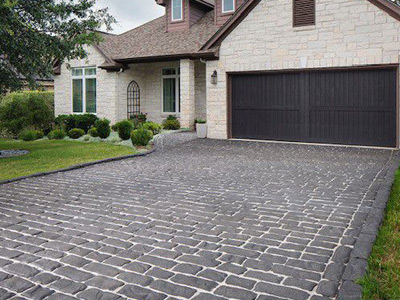
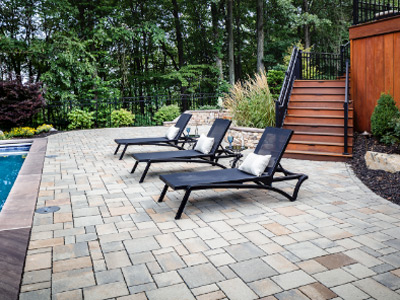
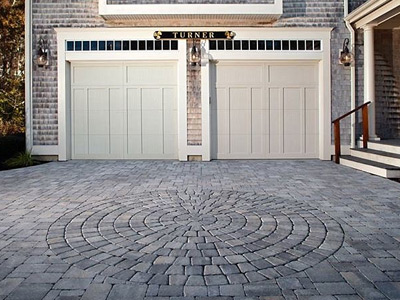
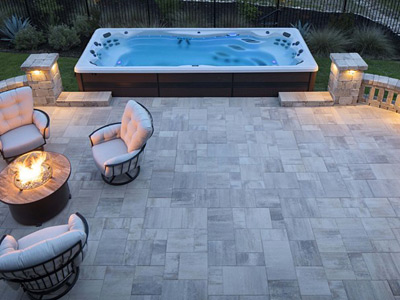
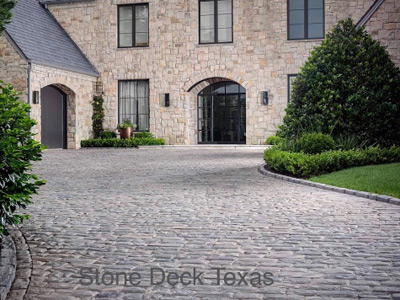
At Stone Deck, we can assist with Retaining walls, Concrete Driveways, Pool Decks, Patios, and more. Our specialist concrete and permeable pavers services are not limited to these alone. We can design and install various types of concrete structures. Range of Hardscaping Services Here is a closer look at some installations that skilled hardscapers can help with. Pool Decks When you have a swimming pool in your yard, you would like to maximize its value via careful design and installation. The poolscape is a spot for family and friends to unwind. When designing these areas, it is essential to consider that the floors will be exposed to the elements and that the chosen materials must be able to survive seasonal variations. Skilled hardscapers offer exceptional pool deck planning and construction. They understand what it takes to provide consumers with durable, functional, distinctive, and aesthetically pleasing pool decks. You can choose between the paver and concrete pool decks. Each of these materials has its pros and cons, and the designers will provide you with the details you need to determine the best option for your requirements. Driveways Your driveway is undoubtedly one of your residence's most used outdoor areas since it is subject to foot and vehicle traffic. It also must endure debris, dust, sap, and oil stains. It must also be resistant to the sun's UV rays. It is hardly unexpected that driveways swiftly lose their vitality and appeal. As a trained and seasoned business, we acknowledge the significance of installing a superb driveway. Permeable pavers are a promising material option for driveways and are ideal for residential and commercial premises. The surfaces will not lose their traction or become slippery. Permeable paver stones are versatile and may be utilized in virtually any outdoor location, including terraces, patios, decks, walkways, entryways, paths, and outdoor kitchens. This quality makes it easy to establish a uniform appearance in the exterior areas of your home. If you prefer a concrete driveway, you can discuss options such as coloring, stamping, etc. Concrete driveways are more economical than paved surfaces but may require additional maintenance. Patios Employing a company that uses premium materials and cutting-edge equipment guarantees that you will always receive the finest patio installations. The specialists guarantee that everything is perfectly polished, from sharp sides to level surfaces. Experienced professionals produce distinctive and beautiful concrete elements. As a result of their individualized approach, you receive a finished product per your concepts and goals. The right material selections can provide you with long-term value and excellent ROI. Some homeowners like the feel and look of concrete patios, which are less expensive than pavers. You can have them fashioned to resemble natural materials such as stone, so you get a more cost-effective surface at the cost of a concrete one. Regardless of the types of hardscapes you need, hiring skilled and experienced professionals will help to ensure that you get durable and attractive outdoor spaces on your property. For more details about how Stone Deck can help with your next hardscaping project, call us at 512-863-0057. You can also write to us via this Online Form, and we will contact you soon to discuss your project details. ← Back To Blog

Read More

All About Retaining Walls

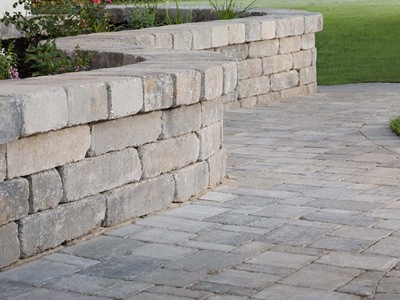
Retaining walls are structures designed to resist lateral pressure from soil and hold it in place. They are commonly used in landscaping, civil engineering, and construction projects to create level surfaces and prevent soil erosion. Retaining walls are not only functional but can also enhance the aesthetic appeal of a property. Our team at Stone Deck is here to help you figure the right choice for you. Various types of retaining walls can be used depending on the project's specific needs. Here are some of the most common types of retaining walls: Gravity Walls These structures rely on their weight to resist pressure from the soil. They are typically made of concrete or masonry and are the simplest and most cost-effective type of retaining wall. They are suitable for low-height walls with a maximum height of 3-4 feet. Cantilever Walls Cantilever walls are made of reinforced concrete and are supported by a footing. They are designed in an L-shape, with a horizontal base and a vertical wall extending upwards. They are suitable for walls with heights up to 25 feet. Counterfort Walls All counterfort walls are like cantilever walls but have additional vertical concrete webs, known as counterforts, placed perpendicular to the wall. This extra reinforcement allows for excellent stability and support, making them suitable for walls with heights up to 40 feet. Sheet Pile Walls Sheet pile structures are made of steel, vinyl or wood planks driven vertically into the ground. They are suitable for sites with limited space and are often used for temporary structures such as cofferdams, but they can also be used for permanent installations. Materials Used in Retaining Wall Construction Here are some of the most common materials used in retaining wall construction: Concrete: Concrete is one of the most common materials used in retaining walls due to its strength, durability, and versatility. Concrete blocks, precast concrete panels, and poured concrete are all popular options for retaining walls. Stone: Natural stone is a popular choice for retaining walls as it offers the landscape a natural and aesthetic look. These walls can be constructed using various stones, including granite, limestone, sandstone, and basalt. Stone retaining walls are stacked without any mortar or adhesive. Brick: Brick is another popular material used in retaining wall construction due to its durability and aesthetic appeal. Mortar is used to hold the bricks together in a brick retaining wall. Wood: Wood retaining walls are a popular choice for residential landscaping projects as they offer a natural and rustic look. Treated lumber, such as pressure-treated pine and cedar, is commonly used in wood retaining walls. For more information on retaining walls or any of our services, feel free to contact the experts at Stone Deck at 512-863-0057 or via this online form. ← Back To Blog
Top 3 Outdoor Living Ideas

We at Stone Deck are an experienced and well-known outdoor living business. Our company helps property owners create a warm, inviting, well-planned leisure area in their backyard. As a plus, improvements like these can considerably raise your home's value. Here are three top outdoor living ideas that can be added to most properties. Pergolas Pergolas can help liven up your outdoor spaces. They're aesthetically pleasing and convenient, adding to the landscape's overall attractiveness. These structures have latticed ceilings and beams supporting them. You can plant delicate vines on your pergola to offer shade and allow you to enjoy the environment even in the daytime. Pergolas are constructed from various materials, including wood, composite, vinyl, and metal. It's best to work with professionals that can help you achieve the aesthetic they seek for their property. Discuss your ideas with the designers, and they will work with you to make that happen. Skilled designers recognize that your home is your sanctuary and that you want every component to be flawless. They will consider this factor when designing your pergola. Because reliable landscapers customize these structures, you can be sure that your new pergola will blend seamlessly with the surrounding landscape components. Outdoor Kitchens An outdoor kitchen is a beautiful addition to any property; it expands the internal living area and adds an uncluttered vibe to the property. Additionally, you can use the space to socialize with friends, and you may realize that you are less motivated to go to restaurants and pubs. When your home features an exceptional outdoor space, you will be more comfortable spending time there. Experienced professionals can create outstanding outdoor kitchen designs for you. These will be built to complement the architectural aspects of your home and will contain all the features, storage, amenities, and appliances necessary to create an outdoor living environment that is genuinely useful, practical, and pleasant. Patios If you want the patio to be durable while still being easy to maintain, you must select appropriate flooring and match it with the rest of your backyard. Patio pavers are a fantastic material choice, and established companies work with proven and time-tested products. Choose a business specializing in the design and installation of high-quality paver patios. They will also offer a variety of material alternatives, including natural stone, concrete, and brick pavers, and will help you with all the information you need about them. These professionals can also provide pattern and design ideas that incorporate a combination of paver stones for a unique effect. For more outdoor living ideas, call Stone Deck at 512-863-0057. You can also drop us a line via this Online Form, and one of our team members will contact you soon to get your project started. ← Back To Blog

Paver Patio Ideas: Transform Your Outdoor Space

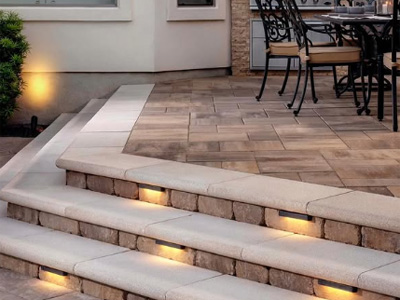
While creating an outdoor space that seamlessly combines beauty, functionality, and durability, paver patios stand out as the ultimate choice. Paver patios have earned their reputation as the go-to option for outdoor spaces due to their unmatched advantages. These versatile and aesthetically pleasing elements can transform your outdoor area into a haven of relaxation, entertainment, and visual delight. From their remarkable durability to stunning aesthetics, paver patios seamlessly blend with various architectural styles, making them the preferred choice for homeowners seeking a timeless and functional outdoor area. Paver Patio Ideas to Transform Your Outdoor Space The Stone Deck team has extensive expertise in paver patio design and installation; here, we discuss paver patio ideas, exploring layouts, designs, materials, and the art of harmonizing durability with aesthetics. Attractive Layouts - The layout of your paver patio sets the foundation for its functionality and aesthetics. Consider incorporating curved edges, circular patterns, or multiple levels to add depth and character to your outdoor space. These unique layouts can make your patio a visual masterpiece while optimizing space utilization. Designs and Patterns - Pavers offer an array of design possibilities. You can choose classic herringbone or basketweave patterns for a traditional look or more contemporary designs to match your outdoor aesthetic. Intricate patterns can lend a touch of sophistication, while simple layouts offer a clean and minimalist vibe. Material Choices - Selecting suitable materials for your paver patio is crucial in creating a cohesive indoor-outdoor transition. Consider using materials that complement your indoor flooring, ensuring a seamless flow between indoor and outdoor spaces. From natural stone to concrete pavers, the material you choose contributes to the overall ambiance of your outdoor area. Durability and Aesthetics - The balance between durability and aesthetics is at the core of paver patio design. Opt for materials that not only withstand the test of time and varying weather conditions but also contribute to the visual appeal of your outdoor space. High-quality pavers ensure that your patio remains as stunning as it is sturdy. Professional Paver Patio Installations A well-designed patio enhances your outdoor area's visual appeal while enriching your daily life by offering a sanctuary of comfort and relaxation. Whether you envision a cozy morning coffee nook or a vibrant outdoor gathering space, the possibilities are as endless as your imagination. We can help you create a paver patio that reflects your unique style, enhances your outdoor lifestyle, and becomes a canvas for lasting memories. We can help you transform your outdoor spaces in the best possible way. For information on pergolas or any of our services, call Stone Deck at 512-863-0057 or email us via this online form. ← Back To Blog

7 Essential Features for a Great Outdoor Kitchen

Installing an outdoor kitchen can transform your yard into an entertainment oasis and increase your home's value. But creating this luxe space requires more forethought than just throwing a grill onto the patio. A cohesive, high-functioning outdoor kitchen requires careful planning and incorporating key features. Investing in durable surfaces, ample seating, top-tier appliances, and task lighting will help you create an enviable space your family and friends will enjoy for years to come. Rather than picking pieces in isolation, use an expert design eye to incorporate all the elements thoughtfully to define a standout outdoor living, cooking and dining area. At Stone Deck, we are committed to providing our clients with superior hardscaping services. Our team designs and builds outdoor kitchens that function well, look great, and last long. Features That Will Uplift Your Outdoor Kitchen If you are planning an outdoor kitchen project, consider these 7 essential features that define a standout outdoor cooking space: 1. Ample Counter Space - Function meets form in an outdoor kitchen with abundant counter space. Granite, marble, or slate surfaces give you room to prep, cook, assemble, and plate, adding natural elegance. Built-in counters follow the flow of the space. Add a decorative tile backsplash and bar area for serving drinks. Draw guests in with plentiful surfaces styled for both cooking and mingling. 2. Dedicated Grill Station - The grill is the crown jewel of any outdoor kitchen. Make it a showstopper with a built-in specialty grill like a professional-grade stainless steel model from vendors like Viking or Lynx. Integrate it into the counter and add stylish ventilation. Frame the grill with stone or brick accents. Adjacent counters, a sink, and a fridge make grilling a breeze. Leave ample room to maneuver and plate foods hot off the grill. 3. Complete Storage - Storage maximizes functionality and keeps supplies organized yet out of sight. Incorporate cabinets, shelves, and drawers to store everything from grill tools to dishware. Waterproof outdoor cabinetry keeps items protected and concealed while adding a polished style. Label and organize storage so items are easy to locate. Ample, dedicated storage prevents outdoor kitchen clutter. 4. High-End Appliances - Include top-of-the-line appliances like a mini fridge, ice maker, pizza oven, wine cooler, and more based on your needs. Choose commercial-grade appliances designed specifically for outdoor use. Aim for powerful appliances that maximize convenience and complement your grill and food preparation space. Integrate small appliances into your cabinetry or counters for a unified look. 5. Comfortable Seating - No outdoor kitchen is complete without a place to relax and dine. Arrange barstools around counters or a nearby table and chairs for casual seating. Consider counters and surfaces at two heights - standard for food prep and bar height for sitting and dining. Include a conversation area with plush weather-resistant outdoor sofas, chairs, or dining sets. Navigation, traffic flow, and seating should be a focus. 6. Sleek Sink - An outdoor kitchen sink provides added convenience for tasks like produce washing, cleaning, and drink mixing. Select a deep double basin sink made of stainless steel or ceramic. Include a soap dispenser and towel bar. Ensure the sink has hot and cold running water, proper drainage, and hookups for garbage disposal to manage waste. Position it close to the grill, storage, and counters. 7. Effective Lighting - Both task and ambient lighting set the mood. Incorporate recessed lighting under cabinets to illuminate workspaces after dark. Hang pendant lights over counters for accent lighting. Line pathways with low-voltage garden lights and lanterns. Consider sconces, spotlights, and postlights for stunning effects. Choose outdoor-rated fixtures with energy efficiency and durability in mind. Proper lighting transforms your outdoor kitchen from day to night. You can create the outdoor kitchen of your dreams by incorporating these key features into your design. Work with a proven hardscaping company like ours to carefully plan your layout and features. For information on our outdoor kitchen design, installation, and other services, call Stone Deck at 512-863-0057 or email us online. ← Back To Blog

Custom Paver Walkways: Create A Unique Look for Your Yard

A well-designed walkway isn't just a path through your yard. It enhances curb appeal, improves accessibility, and adds character to outdoor spaces. Choosing custom pavers allows homeowners to personalize their landscape with materials, colors, and patterns that complement the home's exterior. A thoughtfully planned walkway blends function with aesthetics, creating a seamless connection between different areas of the property. Pavers from a company like Stone Deck offer unmatched versatility compared to traditional concrete or asphalt paths. They come in various textures and shapes, making achieving a classic, modern, or rustic look easy. Beyond style, these durable materials withstand heavy foot traffic and shifting weather conditions, ensuring a long-lasting investment. With professional installation, a customized walkway can transform an ordinary yard into an inviting and visually striking space. The Benefits of Custom Paver Walkways Paver walkways offer a combination of beauty, durability, and practicality. They provide homeowners with numerous advantages that go beyond simple functionality. Endless Design Possibilities - They are available in an extensive range of styles, from natural stone to brick and concrete. The variety of colors and patterns makes it easy to design a path that complements the surrounding landscape. Unique layouts, such as herringbone, basketweave, or running bond, allow creative expression. Durability and Longevity - These materials are built to withstand years of use without cracking or shifting. Unlike poured concrete, these installations flex with temperature changes, reducing the risk of damage. Their interlocking design enhances structural integrity, ensuring the walkway remains intact under heavy use. Low Maintenance - Custom features require minimal upkeep compared to other surfaces. Individual pieces can be replaced if damaged, eliminating the need for costly repairs. Routine cleaning and occasional re-sanding keep the surface looking fresh and well-maintained. Improved Drainage - Pavers allow natural drainage, unlike solid surfaces, promoting water runoff. The small gaps between each piece prevent pooling and help water seep into the ground, reducing erosion and minimizing the impact on surrounding plants. Increased Property Value - An attractive, high-quality walkway enhances a home's overall appeal. Well-planned landscaping features, including customized paths, create a welcoming atmosphere that can boost resale value. Potential buyers appreciate the added charm and functionality these walkways provide. Choosing The Right Pavers for Your Walkway Selecting the right material and design ensures the finished project complements your landscape while meeting practical needs. Material Selection - Options range from natural stone, such as flagstone and travertine, to manufactured choices, like brick and concrete. Each material offers distinct benefits in appearance, durability, and cost. Color and Texture - Earthy tones blend seamlessly with garden spaces, while bold hues create eye-catching contrast. Smooth surfaces offer a sleek look, while textured surfaces add dimension and slip resistance. Pattern and Layout - The chosen design impacts the overall aesthetic. Linear arrangements create a structured appearance, while curved pathways offer a more natural, organic feel. Mixing different shapes and sizes can result in a unique, one-of-a-kind layout. For more information on our custom paver walkways, call Stone Deck at 512-863-0057. Alternatively, you can fill out this Online Form, and one of our experts will get back to you shortly. ← Back To Blog

Top Tips For Paver Cleaning & Sealing

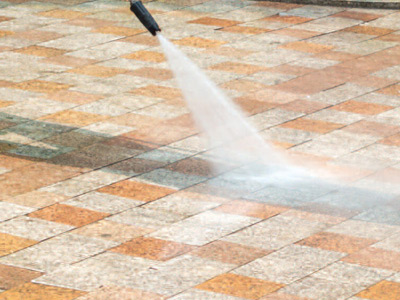
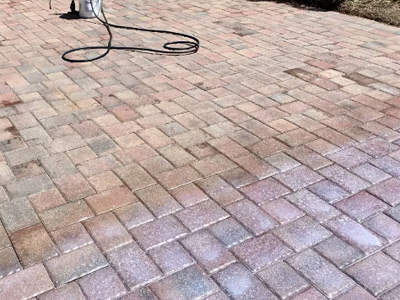
If you have paver stones in your home, it is essential to clean them frequently. Pavers may become soiled and unclean with time, and if they are not regularly cleaned, they can begin to appear faded and old if not maintained. Stone Deck professionals will discuss paver cleaning and sealing tips in this blog. Paver Cleaning and Sealing Tips Follow these guidelines, and your paved area will look spanking new in no time! - Carefully select your paver cleaning solution Choosing the proper paver cleaning solution is the first step towards paver cleaning success. This is vital if you are wondering how to wash your paver surface since the improper solution might harm your surfaces and make them seem worse than before. - Employ the appropriate method for paver cleaning There are several ways for cleaning pavers. Utilize a power washer or steam cleaner for optimal results. Not only will this expedite the process, but it will also avoid any harm to your concrete pavers. - Remove all debris from the pavers before cleaning them Once the pavers have been properly prepared, it is time to clean them. Here are the necessary steps: Before you begin, you should blow/brush away any dirt from your pavers. If pine needles, leaves, and twigs are not removed entirely before cleaning or sealer is applied, they might leave stains on the concrete. Clean pavers with a standard garden hose and an adjustable spray nozzle. Once you have done this, switch off the water and utilize a broom or powerful leaf blower to remove the excess moisture from the pavers' joints while they are still wet. It will prevent dust and debris from becoming trapped in those areas when applying a new layer of sealant to them every year in spring. Use your paver cleaner according to the instructions on the package and the manufacturer's website. You must clean patio pavers annually to ensure they retain their pristine appearance throughout the seasons. Paver Sealing A fair rule of thumb for paver sealing is every two years. The pavers might need more frequent sealing if you reside in a region with above-average precipitation. Use a sealer or enhancer every six months on newly installed paved surfaces, like patios and driveways, and once every three to five years on older surfaces (if they've turned dull over time). This can make them look better in a few months or years, even if you don't clean them again immediately! Hire Professionals for Paver Cleaning and Sealing Some property owners handle paver cleaning and sealing themselves. However, hiring professionals for these crucial tasks is better because they use suitable cleaning agents, sealing products, and application technique for the best results. While handling these jobs, they will also check the paved surfaces for signs of damage or deterioration and help you fix these as required. If you are looking for reliable paver cleaning and sealing solutions, call us at 512-863-0057. Alternatively, please write to us through this Online Form; one of our experts will contact you soon to understand your project requirements and provide solutions. ← Back To Blog

Cost of Permeable Driveway Pavers: What to Expect for Your Project

Permeable driveway pavers are an increasingly popular choice for homeowners seeking a sustainable, eco-friendly driveway option. These pavers allow water to pass through them and into the ground below, reducing water runoff, minimizing flooding, and helping replenish groundwater levels. While the environmental benefits of these products are clear, many homeowners wonder what they'll need to budget for a project like this. When investing in a permeable driveway from a company like Stone Deck, it's essential to understand both the short-term costs and long-term savings. From an environmental perspective, these driveways offer added value. Financially, they can also reduce drainage and potential flood mitigation expenses. Factors Influencing the Cost of Permeable Driveway Pavers Several elements play a role in shaping the overall cost of a permeable driveway project. Here are the primary factors to consider: 1. Material Selection The pavers come in various materials, including concrete, stone, and brick. Each material has its unique benefits and price range: Concrete - This is often the most cost-effective option, priced between $10 and $30 per square foot. Stone Pavers - Due to their durability and natural appearance, stone pavers typically cost more, ranging from $20 to $40 per square foot. Brick Pavers - They may range from $15 to $35 per square foot and offer a classic, timeless look that appeals to many homeowners. 2. Labor Costs Labor costs for permeable driveway installations are higher than for traditional driveways. This is mainly because of the added layers and specialized skills required for proper drainage. Expect to budget $10 to $20 per square foot for labor, although the rate can vary based on your area and the project's complexity. 3. Site Preparation Preparing the site is a crucial step that can add to the overall project cost. This includes excavating the area, laying a proper sub-base, and possibly adjusting the soil for better drainage. Site preparation costs usually range from $5 to $15 per square foot, depending on existing soil conditions and the extent of groundwork required. 4. Additional Features Some homeowners add features like curbing, edging, or custom patterns to enhance the driveway's appearance and functionality. While these extras can elevate the project's aesthetic, they also increase the cost. These enhancements cost an additional $5 to $10 per square foot. The Average Cost Estimates for Permeable Driveways A basic permeable driveway installation can cost between $15 and $30 per square foot. With added features and premium materials, the price can range from $30 to $50 per square foot. For a standard two-car driveway (about 500 square feet), you might budget between $7,500 and $25,000, depending on your choices and the installation's complexity. These are only the tentative costs, and you will need to get an exact quote from professionals. When planning for one, consider your budget and desired outcome, and consult a professional to ensure your driveway meets both functional and aesthetic goals. Ultimately, the cost of this surface is a worthwhile investment, offering both financial and ecological rewards for years to come. For more information on permeable driveway pavers, contact Stone Deck via this Online Form or call us at 512-863-0057, and our experts will get back to you shortly. ← Back To Blog

Benefits of Permeable Pavers for Your Pool Deck

When it comes to designing a pool deck, choosing suitable materials is essential. Permeable pavers have gained popularity as an eco-friendly and practical option. There are numerous benefits to using permeable pavers for your pool decks, and we at Stone Deck use these products in our projects. From improved drainage to enhanced safety, permeable pavers offer advantages beyond traditional paving materials. Efficient Water Drainage Permeable pavers are designed to allow water to pass through the surface and infiltrate the ground below. Their unique permeable structure prevents water from pooling on the surface, reducing the risk of slipperiness around the pool area. Efficient water drainage helps to minimize standing water and reduces the likelihood of water-related issues, such as puddles or erosion. Reduced Runoff and Water Pollution By allowing water to permeate the ground, permeable pavers help reduce stormwater runoff, which can overwhelm municipal drainage systems during heavy rainfalls. The permeability of these pavers filters and cleans the water as it passes through the surface, reducing the number of pollutants that enter local water bodies. This environmentally friendly feature contributes to the overall health of ecosystems and helps protect water resources. Enhanced Safety The porous nature of permeable pavers promotes a safer pool environment by minimizing standing water and reducing the risk of slips and falls. Unlike traditional impervious surfaces, permeable pavers allow water to drain quickly, minimizing the chances of surface icing during colder seasons. The slip-resistant surface texture of permeable pavers provides an additional layer of safety, especially in wet conditions. Heat Reduction Permeable pavers can reflect heat, reducing the surface temperature of the pool deck. Compared to solid paving materials, permeable pavers offer a cooler surface to walk on, enhancing comfort for barefoot poolside activities during hot summer days. This heat reduction feature adds to your pool deck's overall enjoyment and usability. Versatility and Aesthetics Permeable pavers come in various shapes, colors, and patterns, offering various design options to suit your style and preferences. They can be easily customized to create unique patterns or incorporate different colors to complement your pool area and overall landscape design. The versatility of permeable pavers allows for creative and visually appealing pool deck designs that enhance the overall aesthetics of your outdoor space. Durability and Low Maintenance Permeable pavers are constructed from durable materials to withstand heavy traffic and weather conditions. They require minimal maintenance, with regular sweeping and occasional power washing sufficient to keep them clean and in excellent condition. In the event of damage to a specific paver, it can be easily replaced without disrupting the entire pool deck. By choosing permeable pavers, you create a visually appealing pool deck and contribute to sustainable water management practices and a safer pool environment for everyone to enjoy. We can help you with all your permeable paver needs. For more information on retaining walls or any of our services, contact the experts at Stone Deck at 512-863-0057 or via this online form. ← Back To Blog

Benefits of Concrete Pavers Over Asphalt Paving

Outdoor spaces require resilient surfaces that can withstand daily use, extreme weather conditions, and the passage of time while maintaining their functionality and appearance. Choosing the right paving material becomes crucial for long-term satisfaction and property value. In this article we will now compare the characteristics of concrete pavers versus asphalt paving. Durability and Longevity Concrete pavers demonstrate superior durability compared to asphalt paving, often lasting 25-30 years with proper installation and maintenance. The individual paver units distribute weight loads more effectively than continuous asphalt surfaces, reducing the likelihood of cracking under heavy vehicles or freeze-thaw cycles. When damage does occur, individual pavers can be replaced without disturbing the entire surface, making repairs more cost-effective and less disruptive. Asphalt paving typically requires resurfacing every 10 to 15 years, depending on climate conditions and traffic loads. While initially less expensive to install, asphalt becomes more susceptible to cracking, potholes, and weather-related deterioration over time. The petroleum-based material softens in extreme heat and can develop permanent depressions from heavy loads, particularly in areas with high summer temperatures. The flexibility of concrete pavers also provides advantages during ground settling or minor foundation shifts. Individual pavers can adjust independently without creating large cracks that compromise the entire surface integrity, unlike asphalt, which tends to crack in continuous lines when ground movement occurs. Maintenance Requirements and Costs Concrete pavers require minimal ongoing maintenance, consisting of occasional cleaning and joint sand replenishment every few years. Stains on individual pavers can be treated with specialized cleaning solutions, and severely damaged pavers can be replaced without affecting surrounding areas. The modular nature of these systems means maintenance tasks are typically localized and manageable for most property owners. Asphalt maintenance involves more comprehensive approaches, including regular seal coating every 2-3 years, crack sealing, and periodic resurfacing. These maintenance requirements create ongoing costs that accumulate over the pavement's lifespan. The surface repairs often require larger work areas and professional equipment, making DIY maintenance more challenging. Weather resistance also favors concrete pavers, as they don't soften in heat or become brittle in cold temperatures. Salt and chemical deicers have less impact on the pavers compared to asphalt, which can deteriorate more rapidly when exposed to these standard winter maintenance products. Aesthetic Appeal and Design Flexibility Concrete pavers offer an array of design possibilities, with various colors, textures, sizes, and patterns available to complement any architectural style. Property owners can create unique patterns, incorporate different-colored pavers for accents, or even integrate lighting elements between pavers to enhance the evening ambiance. The ability to mix and match paver styles allows for the creation of innovative designs that significantly enhance a property's curb appeal. Asphalt paving offers a clean, uniform appearance that suits utilitarian applications such as driveways and parking areas. While the material provides fewer aesthetic options, it creates smooth, continuous surfaces that some property owners prefer for their simplicity and professional appearance. It can be enhanced with decorative stamping or coloring, although these options are more limited than those offered by paver alternatives. The three-dimensional quality of concrete paving adds visual interest and texture that flat asphalt surfaces cannot match. This dimensional quality becomes particularly noticeable in larger areas where the pattern variations and joint lines create appealing geometric designs that enhance the overall landscape architecture. Professional Installation Makes the Difference Professional installation of pavers makes all the difference in achieving optimal performance and longevity. Skilled installers understand the importance of proper base preparation, drainage considerations, and joint spacing requirements that ensure pavers remain stable and level over time. Quality installation also involves understanding how different paver patterns affect structural integrity and selecting appropriate materials for specific applications and climate conditions. Stone Deck offers top-notch concrete paver installations at affordable pricing. For more information, call us at 512-863-0057 or email us through this Online Form, and we will get back to you shortly. ← Back To Blog

Pros and Cons of Choosing Concrete Pavers for Your Driveway

Concrete pavers emerge as a popular and versatile option when selecting the ideal material for your driveway. These interlocking, precast pieces offer a wide range of benefits but also have their fair share of drawbacks. To help you make an informed decision, the Stone Deck team discusses the pros and cons of choosing concrete pavers for your driveway. Pros of Concrete Pavers The pros of concrete pavers include the following: Concrete pavers are available in various shapes, sizes, colors, and textures. This versatility allows you to create a driveway that complements your home's architecture and landscaping. They are solid and durable, can withstand heavy loads, and resist cracking better than poured concrete or asphalt driveways. If a paver becomes damaged or stained, you can replace it individually without disturbing the rest of the driveway. This makes repairs convenient and cost-effective. Concrete pavers require minimal maintenance. Regular sweeping and occasional power washing are sufficient to keep them pristine. The textured surface of concrete pavers provides very good traction, reducing the risk of slips and falls, particularly in wet/icy conditions. Permeable concrete pavers are designed to allow water to pass through them, reducing runoff and helping manage drainage effectively. Concrete pavers are often made from sustainable materials, and their permeable versions contribute to eco-friendly landscaping practices. Cons of Concrete Pavers The downsides of using concrete pavers include the following: While the pavers are relatively affordable, the installation cost can be higher than other driveway materials. Proper base preparation and labor can contribute to this expense. The gaps between concrete pavers can allow weeds to grow. Regular maintenance activities like weed barriers or joint sand are necessary to prevent this issue. Over time, concrete pavers may shift or settle, resulting in an uneven surface. This can be mitigated with proper installation techniques and regular maintenance. Concrete pavers are susceptible to stains from oil, grease, and other substances. Prompt cleaning and sealing can help prevent permanent staining. While concrete pavers are durable, they may not be suitable for extremely heavy vehicles like large trucks or RVs. Consider the weight limitations for your specific application. Concrete pavers may fade or weather over time due to exposure to sunlight and the elements. Sealants can help preserve their color and appearance. Periodic sealing is recommended to maintain the appearance and longevity of concrete pavers. While not overly expensive, it is an additional maintenance cost to consider. Are Concrete Pavers the Right Choice for You? Consider the following factors to determine if concrete pavers are the right choice for you: Concrete pavers may have higher initial installation costs than other materials, so ensure they align with your budget. Concrete pavers offer an array of options if you value design versatility and want a driveway that complements your home's style. Assess your willingness to perform regular maintenance, including cleaning, sealing, and weed control. Consider your local climate and how concrete pavers perform in various weather conditions. If you anticipate heavy vehicles on your driveway, consult a professional to ensure concrete pavers can handle the load. If environmental sustainability is essential to you, permeable concrete pavers can contribute to better water management. Evaluate your long-term goals for your property. Concrete pavers can be a durable and attractive choice for homeowners who plan to stay in their homes for an extended period. For information on our concrete paver and other services, call Stone Deck at 512-863-0057 or email us through this online form. ← Back To Blog

Maintenance Tips for Long-Lasting Pool Deck Pavers

Many homeowners dream of creating a beautiful and inviting outdoor living space, and a well-designed pool deck can be the centerpiece of such an oasis. Pavers have become popular for pool decks due to their versatility, durability, and aesthetic appeal. However, even the most stunning paver installation can succumb to the elements and wear and tear if not properly maintained. Fortunately, with the proper knowledge and approach, you can preserve the pristine condition of your paver pool deck for years to come, ensuring a functional and visually appealing space for you and your family to enjoy. Pool Deck Paver Maintenance Tips Here, the Stone Deck experts share valuable maintenance tips to help you keep your pool deck pavers in top condition for years. Regular Cleaning - Regular cleaning is one of the most essential maintenance tasks for pool deck pavers. If not addressed promptly, dirt, debris, and spills can accumulate on the surface, leading to staining and discoloration. Use a broom or leaf blower to remove loose debris and consider investing in a pressure washer for more thorough cleaning. Avoid harsh chemicals or abrasive cleaners, which can damage the pavers' surface. Seal and Reseal - Most paver manufacturers recommend sealing your pool deck pavers upon installation and resealing them periodically. Sealing helps protect the pavers from moisture penetration, staining, and fading caused by UV rays. It also enhances the pavers' color and texture. Follow the manufacturer's instructions for the recommended sealing frequency, typically every 2-3 years. Address Efflorescence - Efflorescence is a white, powdery deposit that can appear on the surface of pavers. Salt deposits and moisture movement cause it within the pavers. While not harmful, efflorescence can be unsightly. To address it, use a stiff brush or high-pressure washer to remove the deposits, and consider applying a specialized efflorescence cleaner for stubborn cases. Prevent Weed Growth - Weeds can be a nuisance on paver pool decks, as their roots can penetrate the joints and cause the pavers to shift or become uneven. Consider applying an herbicide or weed killer designed for paved areas to prevent weed growth. Alternatively, you can manually remove weeds by hand or with a paver weeding tool. Maintain Joint Stabilization - The joints between pavers play a crucial role in your pool deck's overall stability and longevity. Over time, the jointing sand or polymeric sand can become dislodged, leading to shifting or uneven pavers. Regularly inspect the joints and refill them with fresh or polymeric sand. Address Stains and Discoloration - Despite your best efforts, stains and discoloration may occur on your pool deck pavers over time. Promptly address these issues to prevent them from becoming more ingrained and difficult to remove. Use specialized paver cleaners or spot removers designed for the type of stain or discoloration you're dealing with. Protect from Salt and Chlorine - If your pool deck is near a saltwater or chlorinated pool, take extra precautions to protect the pavers from the damaging effects of salt and chlorine. Rinse the pool deck regularly with fresh water to remove any residual salt or chlorine that may have splashed onto the surface. Consider applying a sealer specifically formulated to resist salt and chlorine exposure. Regular care and attention will preserve the aesthetic appeal of your outdoor living space and ensure a safe and enjoyable environment for you and your family. For information on our pool deck pavers and other hardscaping solutions, call Stone Deck at 512-863-0057 or email us online. ← Back To Blog

Professional Vs. DIY Paver Sealing: Which Option Is Best?

Pavers are a popular choice for outdoor spaces, adding beauty and functionality to patios, driveways, and walkways. However, these attractive surfaces are constantly exposed to the elements, foot traffic, and potential stains. Over time, this exposure can lead to wear and tear, color fading, and structural damage. Sealing is a crucial step in paver maintenance to protect your investment and maintain the aesthetic appeal of your pavers. Sealing creates a protective barrier that helps repel water, oil, and other substances that can damage or stain the surface. It also enhances the color of the pavers and can add a glossy finish if desired. Regarding paver sealing, homeowners often debate whether to hire a professional service or do the task themselves. Both options have merits and drawbacks, and the best choice depends on various factors such as budget, time constraints, and the project's complexity. Here, the Stone Deck team discusses the pros and cons of each option: About Professional Paver Sealing Professional paver sealing offers several advantages, such as: Experienced contractors have the knowledge and expertise to prepare the surface properly, choose the right type of sealer, and apply it evenly for optimal protection. They use commercial-grade products and equipment that may not be readily available to the average homeowner, potentially resulting in a longer-lasting and more effective seal. These services also save time and effort, as they can complete the job efficiently and with minimal disruption to your daily routine. Experts can address any underlying issues with your pavers before applying the sealant. They can identify and repair loose or damaged pavers, remove stubborn stains, and ensure proper drainage. This comprehensive approach can extend the life of your paved surfaces and prevent future problems. About DIY Paver Sealing Professional paver sealing offers several advantages, such as: Experienced contractors have the knowledge and expertise to prepare the surface properly, choose the right type of sealer, and apply it evenly for optimal protection. They use commercial-grade products and equipment that may not be readily available to the average homeowner, potentially resulting in a longer-lasting and more effective seal. These services also save time and effort, as they can complete the job efficiently and with minimal disruption to your daily routine. Experts can address any underlying issues with your pavers before applying the sealant. They can identify and repair loose or damaged pavers, remove stubborn stains, and ensure proper drainage. This comprehensive approach can extend the life of your paved surfaces and prevent future problems. DIY paver sealing can be an appealing option for budget-conscious homeowners or those who enjoy hands-on projects. With careful research and preparation, property owners can achieve satisfactory results. DIY sealing allows for greater control over the process and can be a more flexible option in terms of scheduling. However, DIY sealing comes with its own set of challenges, such as: Proper surface preparation is crucial for effective sealing; mistakes in this stage can lead to poor adhesion or an uneven finish. Choosing the correct type of sealer for your specific pavers and climate conditions can be overwhelming for novices. Applying the sealer evenly and avoiding over-application requires skill and patience. Another consideration is the potential for costly mistakes. Improper application can result in a cloudy appearance, streaks, or bubbles in the sealant. In some cases, these issues may require professional intervention to correct, potentially costing more than hiring a professional in the first place. Time is also a factor to consider. While DIY sealing may seem cost-effective, it can be time-consuming, especially for larger areas. Don't leave the protection of your valuable outdoor surfaces to chance - choose Stone Deck for professional paver sealing that delivers peace of mind and outstanding results. For more information, call Stone Deck at 512-863-0057. You can also message us using this Online Form, and we will contact you soon to start your project. ← Back To Blog

Contact Us

Fill out this form below and we'll contact you shortly
*Required Fields