Blog / Permeable Pavers

Blog

All Permeable Pavers Stone Deck Texas Services Outdoor Kitchens Retaining Walls
Permeable pavers manage rainwater while creating a finished surface for walking

Permeable Pavers: How They Work and Benefit Central Texas Properties

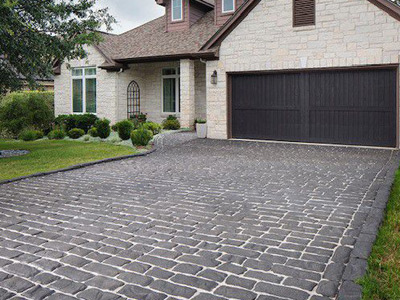
Water collecting on your patio or running off your driveway can make an outdoor space harder to use. Permeable pavers offer a way to manage that rainwater while creating a finished surface for walking, parking, or entertaining. Permeable pavers are paving units installed as part of a system that lets rainwater pass through the surface into a stone base below. That base temporarily holds water before it soaks into the soil or moves through a drainage outlet. For homeowners in Central Texas, the right system depends on more than the paver’s appearance. Soil, slope, rainfall, and how you plan to use the space all affect its design. How Permeable Pavers Take In Water People often describe permeable pavers as absorbing water. With most interlocking systems, water actually drains through stone-filled joints between the pavers rather than soaking through the solid paving units. The system works in layers: Rain reaches the surface. Open joints allow it to move between the pavers. Water enters the stone base. Spaces between the stones provide temporary storage. Water drains from the base. Depending on the design, it infiltrates the soil below or leaves through an underdrain. An underdrain is a pipe that carries collected water to a suitable outlet when the ground cannot absorb it quickly enough. The pavers, joints, base, and drainage provisions must work together. Permeable Pavers vs. Regular Pavers A paved surface is not automatically permeable just because it has joints. Conventional pavers may use joint fillers and a compacted base that limit water movement. A permeable installation uses specific joint materials and an open stone base designed to receive and manage rainfall. Leaving wider gaps between ordinary pavers does not create a complete drainage system. The materials beneath the surface matter just as much as the pavers you see. Benefits Beyond Appearance Less Rainwater Runoff A properly designed permeable surface captures some rainfall where it lands. This can reduce the volume and speed of water flowing toward nearby landscape beds, sidewalks, or storm drains. Where soil conditions allow infiltration, more water can soak into the ground. Reduced Surface Pooling Water has a path beneath the paving surface instead of relying entirely on runoff across it. That can help reduce puddles, provided the system has enough drainage and storage capacity. Permeable pavers cannot prevent every drainage problem. Intense rainfall, saturated soil, or clogged joints can still cause water to collect. Less Erosion From Concentrated Runoff Slowing and collecting rainwater can help reduce the flow that washes soil or mulch out of adjacent beds. The surrounding landscape still needs proper grading and drainage. Design Options for Outdoor Spaces Permeable paving can combine water management with the look of a finished patio, walkway, or driveway. Stone Deck offers permeable paver systems for these applications, with material selection and base preparation tailored to the project. Central Texas Soil Requires Careful Planning Some Central Texas properties have clay soils that absorb water slowly. A surface that drains quickly is only useful if the layers below can store and release that water appropriately. Before installation, the site needs an assessment of soil drainage, slope, nearby structures, and available outlets. Slow-draining ground may require an underdrain or another designed drainage approach. The goal is to manage water safely—not simply move it below the pavers. Permeable paving should not direct unwanted moisture toward a foundation or neighboring property. Where Permeable Pavers Can Be Used Permeable pavers can work for: Patios and outdoor seating areas. Garden paths and walkways. Residential driveways. Selected parking areas. Driveways need pavers and a base designed for vehicle loads. A pedestrian patio has different structural requirements. Product selection, excavation depth, and base construction should reflect the intended use. Sloped sites also need additional consideration because water moves differently through an inclined installation. A site evaluation helps determine whether permeable paving is appropriate. Maintenance Keeps Water Moving Permeable pavers need maintenance to keep their drainage openings clear. Dirt, leaves, mulch, and other debris can gradually clog the joints and slow infiltration. Remove surface debris regularly and keep loose soil from washing onto the paving. Periodic vacuum cleaning may be needed to remove sediment from the joints. The joint stone may also need replenishing afterward. Follow the installer’s maintenance instructions for your particular system. If water starts lingering where it previously drained, arrange an inspection. The cause could be clogged joints, an obstructed outlet, or a problem below the surface. What Affects the Installation Cost Permeable paver pricing depends on the project’s size, material choice, excavation, base depth, and drainage requirements. Access for equipment and removal of an existing surface can also affect the work involved. Compare estimates for the complete installation. An attractive paver laid over an unsuitable base will not deliver the same performance as a properly designed permeable system. Find the Right Pavers With Stone Deck Stone Deck designs and installs permeable paver systems and serves Central Texas communities including Georgetown, Austin, Round Rock, Cedar Park, and Liberty Hill. If you have more questions about permeable pavers, Stone Deck can explain your options and help you choose the best pavers for your project’s use, appearance, and drainage needs. The team can also handle installation, from site preparation through the finished surface. Contact Stone Deck to discuss your project and request an estimate.
Concrete And Permeable Paver Applications

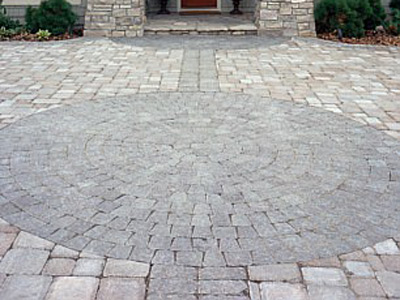
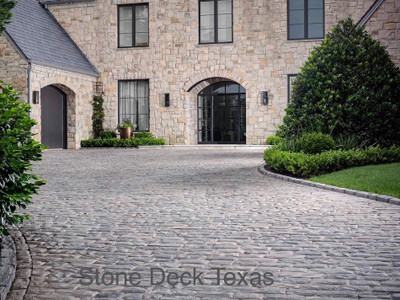
At Stone Deck, we can assist with Retaining walls, Concrete Driveways, Pool Decks, Patios, and more. Our specialist concrete and permeable pavers services are not limited to these alone. We can design and install various types of concrete structures. Range of Hardscaping Services Here is a closer look at some installations that skilled hardscapers can help with. Pool Decks When you have a swimming pool in your yard, you would like to maximize its value via careful design and installation. The poolscape is a spot for family and friends to unwind. When designing these areas, it is essential to consider that the floors will be exposed to the elements and that the chosen materials must be able to survive seasonal variations. Skilled hardscapers offer exceptional pool deck planning and construction. They understand what it takes to provide consumers with durable, functional, distinctive, and aesthetically pleasing pool decks. You can choose between the paver and concrete pool decks. Each of these materials has its pros and cons, and the designers will provide you with the details you need to determine the best option for your requirements. Driveways Your driveway is undoubtedly one of your residence's most used outdoor areas since it is subject to foot and vehicle traffic. It also must endure debris, dust, sap, and oil stains. It must also be resistant to the sun's UV rays. It is hardly unexpected that driveways swiftly lose their vitality and appeal. As a trained and seasoned business, we acknowledge the significance of installing a superb driveway. Permeable pavers are a promising material option for driveways and are ideal for residential and commercial premises. The surfaces will not lose their traction or become slippery. Permeable paver stones are versatile and may be utilized in virtually any outdoor location, including terraces, patios, decks, walkways, entryways, paths, and outdoor kitchens. This quality makes it easy to establish a uniform appearance in the exterior areas of your home. If you prefer a concrete driveway, you can discuss options such as coloring, stamping, etc. Concrete driveways are more economical than paved surfaces but may require additional maintenance. Patios Employing a company that uses premium materials and cutting-edge equipment guarantees that you will always receive the finest patio installations. The specialists guarantee that everything is perfectly polished, from sharp sides to level surfaces. Experienced professionals produce distinctive and beautiful concrete elements. As a result of their individualized approach, you receive a finished product per your concepts and goals. The right material selections can provide you with long-term value and excellent ROI. Some homeowners like the feel and look of concrete patios, which are less expensive than pavers. You can have them fashioned to resemble natural materials such as stone, so you get a more cost-effective surface at the cost of a concrete one. Regardless of the types of hardscapes you need, hiring skilled and experienced professionals will help to ensure that you get durable and attractive outdoor spaces on your property. For more details about how Stone Deck can help with your next hardscaping project, call us at 512-863-0057. You can also write to us via this Online Form, and we will contact you soon to discuss your project details. ← Back To Blog

Paver Patio Ideas: Transform Your Outdoor Space

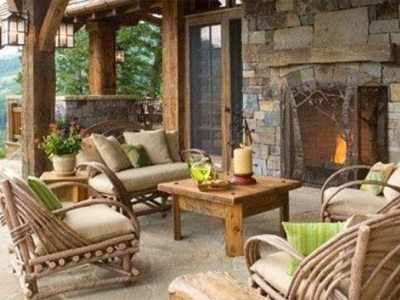
While creating an outdoor space that seamlessly combines beauty, functionality, and durability, paver patios stand out as the ultimate choice. Paver patios have earned their reputation as the go-to option for outdoor spaces due to their unmatched advantages. These versatile and aesthetically pleasing elements can transform your outdoor area into a haven of relaxation, entertainment, and visual delight. From their remarkable durability to stunning aesthetics, paver patios seamlessly blend with various architectural styles, making them the preferred choice for homeowners seeking a timeless and functional outdoor area. Paver Patio Ideas to Transform Your Outdoor Space The Stone Deck team has extensive expertise in paver patio design and installation; here, we discuss paver patio ideas, exploring layouts, designs, materials, and the art of harmonizing durability with aesthetics. Attractive Layouts - The layout of your paver patio sets the foundation for its functionality and aesthetics. Consider incorporating curved edges, circular patterns, or multiple levels to add depth and character to your outdoor space. These unique layouts can make your patio a visual masterpiece while optimizing space utilization. Designs and Patterns - Pavers offer an array of design possibilities. You can choose classic herringbone or basketweave patterns for a traditional look or more contemporary designs to match your outdoor aesthetic. Intricate patterns can lend a touch of sophistication, while simple layouts offer a clean and minimalist vibe. Material Choices - Selecting suitable materials for your paver patio is crucial in creating a cohesive indoor-outdoor transition. Consider using materials that complement your indoor flooring, ensuring a seamless flow between indoor and outdoor spaces. From natural stone to concrete pavers, the material you choose contributes to the overall ambiance of your outdoor area. Durability and Aesthetics - The balance between durability and aesthetics is at the core of paver patio design. Opt for materials that not only withstand the test of time and varying weather conditions but also contribute to the visual appeal of your outdoor space. High-quality pavers ensure that your patio remains as stunning as it is sturdy. Professional Paver Patio Installations A well-designed patio enhances your outdoor area's visual appeal while enriching your daily life by offering a sanctuary of comfort and relaxation. Whether you envision a cozy morning coffee nook or a vibrant outdoor gathering space, the possibilities are as endless as your imagination. We can help you create a paver patio that reflects your unique style, enhances your outdoor lifestyle, and becomes a canvas for lasting memories. We can help you transform your outdoor spaces in the best possible way. For information on pergolas or any of our services, call Stone Deck at 512-863-0057 or email us via this online form. ← Back To Blog

Custom Paver Walkways: Create A Unique Look for Your Yard

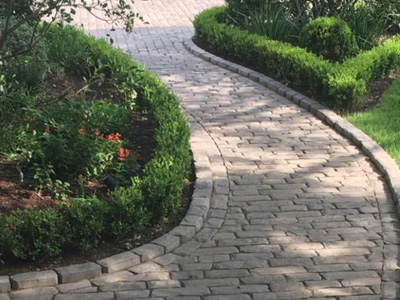
A well-designed walkway isn't just a path through your yard. It enhances curb appeal, improves accessibility, and adds character to outdoor spaces. Choosing custom pavers allows homeowners to personalize their landscape with materials, colors, and patterns that complement the home's exterior. A thoughtfully planned walkway blends function with aesthetics, creating a seamless connection between different areas of the property. Pavers from a company like Stone Deck offer unmatched versatility compared to traditional concrete or asphalt paths. They come in various textures and shapes, making achieving a classic, modern, or rustic look easy. Beyond style, these durable materials withstand heavy foot traffic and shifting weather conditions, ensuring a long-lasting investment. With professional installation, a customized walkway can transform an ordinary yard into an inviting and visually striking space. The Benefits of Custom Paver Walkways Paver walkways offer a combination of beauty, durability, and practicality. They provide homeowners with numerous advantages that go beyond simple functionality. Endless Design Possibilities - They are available in an extensive range of styles, from natural stone to brick and concrete. The variety of colors and patterns makes it easy to design a path that complements the surrounding landscape. Unique layouts, such as herringbone, basketweave, or running bond, allow creative expression. Durability and Longevity - These materials are built to withstand years of use without cracking or shifting. Unlike poured concrete, these installations flex with temperature changes, reducing the risk of damage. Their interlocking design enhances structural integrity, ensuring the walkway remains intact under heavy use. Low Maintenance - Custom features require minimal upkeep compared to other surfaces. Individual pieces can be replaced if damaged, eliminating the need for costly repairs. Routine cleaning and occasional re-sanding keep the surface looking fresh and well-maintained. Improved Drainage - Pavers allow natural drainage, unlike solid surfaces, promoting water runoff. The small gaps between each piece prevent pooling and help water seep into the ground, reducing erosion and minimizing the impact on surrounding plants. Increased Property Value - An attractive, high-quality walkway enhances a home's overall appeal. Well-planned landscaping features, including customized paths, create a welcoming atmosphere that can boost resale value. Potential buyers appreciate the added charm and functionality these walkways provide. Choosing The Right Pavers for Your Walkway Selecting the right material and design ensures the finished project complements your landscape while meeting practical needs. Material Selection - Options range from natural stone, such as flagstone and travertine, to manufactured choices, like brick and concrete. Each material offers distinct benefits in appearance, durability, and cost. Color and Texture - Earthy tones blend seamlessly with garden spaces, while bold hues create eye-catching contrast. Smooth surfaces offer a sleek look, while textured surfaces add dimension and slip resistance. Pattern and Layout - The chosen design impacts the overall aesthetic. Linear arrangements create a structured appearance, while curved pathways offer a more natural, organic feel. Mixing different shapes and sizes can result in a unique, one-of-a-kind layout. For more information on our custom paver walkways, call Stone Deck at 512-863-0057. Alternatively, you can fill out this Online Form, and one of our experts will get back to you shortly. ← Back To Blog

Top Tips For Paver Cleaning & Sealing

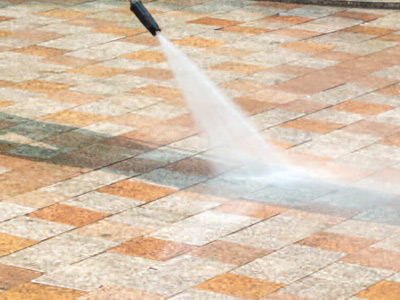
If you have paver stones in your home, it is essential to clean them frequently. Pavers may become soiled and unclean with time, and if they are not regularly cleaned, they can begin to appear faded and old if not maintained. Stone Deck professionals will discuss paver cleaning and sealing tips in this blog. Paver Cleaning and Sealing Tips Follow these guidelines, and your paved area will look spanking new in no time! - Carefully select your paver cleaning solution Choosing the proper paver cleaning solution is the first step towards paver cleaning success. This is vital if you are wondering how to wash your paver surface since the improper solution might harm your surfaces and make them seem worse than before. - Employ the appropriate method for paver cleaning There are several ways for cleaning pavers. Utilize a power washer or steam cleaner for optimal results. Not only will this expedite the process, but it will also avoid any harm to your concrete pavers. - Remove all debris from the pavers before cleaning them Once the pavers have been properly prepared, it is time to clean them. Here are the necessary steps: Before you begin, you should blow/brush away any dirt from your pavers. If pine needles, leaves, and twigs are not removed entirely before cleaning or sealer is applied, they might leave stains on the concrete. Clean pavers with a standard garden hose and an adjustable spray nozzle. Once you have done this, switch off the water and utilize a broom or powerful leaf blower to remove the excess moisture from the pavers' joints while they are still wet. It will prevent dust and debris from becoming trapped in those areas when applying a new layer of sealant to them every year in spring. Use your paver cleaner according to the instructions on the package and the manufacturer's website. You must clean patio pavers annually to ensure they retain their pristine appearance throughout the seasons. Paver Sealing A fair rule of thumb for paver sealing is every two years. The pavers might need more frequent sealing if you reside in a region with above-average precipitation. Use a sealer or enhancer every six months on newly installed paved surfaces, like patios and driveways, and once every three to five years on older surfaces (if they've turned dull over time). This can make them look better in a few months or years, even if you don't clean them again immediately! Hire Professionals for Paver Cleaning and Sealing Some property owners handle paver cleaning and sealing themselves. However, hiring professionals for these crucial tasks is better because they use suitable cleaning agents, sealing products, and application technique for the best results. While handling these jobs, they will also check the paved surfaces for signs of damage or deterioration and help you fix these as required. If you are looking for reliable paver cleaning and sealing solutions, call us at 512-863-0057. Alternatively, please write to us through this Online Form; one of our experts will contact you soon to understand your project requirements and provide solutions. ← Back To Blog

Cost of Permeable Driveway Pavers: What to Expect for Your Project

Permeable driveway pavers are an increasingly popular choice for homeowners seeking a sustainable, eco-friendly driveway option. These pavers allow water to pass through them and into the ground below, reducing water runoff, minimizing flooding, and helping replenish groundwater levels. While the environmental benefits of these products are clear, many homeowners wonder what they'll need to budget for a project like this. When investing in a permeable driveway from a company like Stone Deck, it's essential to understand both the short-term costs and long-term savings. From an environmental perspective, these driveways offer added value. Financially, they can also reduce drainage and potential flood mitigation expenses. Factors Influencing the Cost of Permeable Driveway Pavers Several elements play a role in shaping the overall cost of a permeable driveway project. Here are the primary factors to consider: 1. Material Selection The pavers come in various materials, including concrete, stone, and brick. Each material has its unique benefits and price range: Concrete - This is often the most cost-effective option, priced between $10 and $30 per square foot. Stone Pavers - Due to their durability and natural appearance, stone pavers typically cost more, ranging from $20 to $40 per square foot. Brick Pavers - They may range from $15 to $35 per square foot and offer a classic, timeless look that appeals to many homeowners. 2. Labor Costs Labor costs for permeable driveway installations are higher than for traditional driveways. This is mainly because of the added layers and specialized skills required for proper drainage. Expect to budget $10 to $20 per square foot for labor, although the rate can vary based on your area and the project's complexity. 3. Site Preparation Preparing the site is a crucial step that can add to the overall project cost. This includes excavating the area, laying a proper sub-base, and possibly adjusting the soil for better drainage. Site preparation costs usually range from $5 to $15 per square foot, depending on existing soil conditions and the extent of groundwork required. 4. Additional Features Some homeowners add features like curbing, edging, or custom patterns to enhance the driveway's appearance and functionality. While these extras can elevate the project's aesthetic, they also increase the cost. These enhancements cost an additional $5 to $10 per square foot. The Average Cost Estimates for Permeable Driveways A basic permeable driveway installation can cost between $15 and $30 per square foot. With added features and premium materials, the price can range from $30 to $50 per square foot. For a standard two-car driveway (about 500 square feet), you might budget between $7,500 and $25,000, depending on your choices and the installation's complexity. These are only the tentative costs, and you will need to get an exact quote from professionals. When planning for one, consider your budget and desired outcome, and consult a professional to ensure your driveway meets both functional and aesthetic goals. Ultimately, the cost of this surface is a worthwhile investment, offering both financial and ecological rewards for years to come. For more information on permeable driveway pavers, contact Stone Deck via this Online Form or call us at 512-863-0057, and our experts will get back to you shortly. ← Back To Blog

Benefits of Concrete Pavers Over Asphalt Paving

Outdoor spaces require resilient surfaces that can withstand daily use, extreme weather conditions, and the passage of time while maintaining their functionality and appearance. Choosing the right paving material becomes crucial for long-term satisfaction and property value. In this article we will now compare the characteristics of concrete pavers versus asphalt paving. Durability and Longevity Concrete pavers demonstrate superior durability compared to asphalt paving, often lasting 25-30 years with proper installation and maintenance. The individual paver units distribute weight loads more effectively than continuous asphalt surfaces, reducing the likelihood of cracking under heavy vehicles or freeze-thaw cycles. When damage does occur, individual pavers can be replaced without disturbing the entire surface, making repairs more cost-effective and less disruptive. Asphalt paving typically requires resurfacing every 10 to 15 years, depending on climate conditions and traffic loads. While initially less expensive to install, asphalt becomes more susceptible to cracking, potholes, and weather-related deterioration over time. The petroleum-based material softens in extreme heat and can develop permanent depressions from heavy loads, particularly in areas with high summer temperatures. The flexibility of concrete pavers also provides advantages during ground settling or minor foundation shifts. Individual pavers can adjust independently without creating large cracks that compromise the entire surface integrity, unlike asphalt, which tends to crack in continuous lines when ground movement occurs. Maintenance Requirements and Costs Concrete pavers require minimal ongoing maintenance, consisting of occasional cleaning and joint sand replenishment every few years. Stains on individual pavers can be treated with specialized cleaning solutions, and severely damaged pavers can be replaced without affecting surrounding areas. The modular nature of these systems means maintenance tasks are typically localized and manageable for most property owners. Asphalt maintenance involves more comprehensive approaches, including regular seal coating every 2-3 years, crack sealing, and periodic resurfacing. These maintenance requirements create ongoing costs that accumulate over the pavement's lifespan. The surface repairs often require larger work areas and professional equipment, making DIY maintenance more challenging. Weather resistance also favors concrete pavers, as they don't soften in heat or become brittle in cold temperatures. Salt and chemical deicers have less impact on the pavers compared to asphalt, which can deteriorate more rapidly when exposed to these standard winter maintenance products. Aesthetic Appeal and Design Flexibility Concrete pavers offer an array of design possibilities, with various colors, textures, sizes, and patterns available to complement any architectural style. Property owners can create unique patterns, incorporate different-colored pavers for accents, or even integrate lighting elements between pavers to enhance the evening ambiance. The ability to mix and match paver styles allows for the creation of innovative designs that significantly enhance a property's curb appeal. Asphalt paving offers a clean, uniform appearance that suits utilitarian applications such as driveways and parking areas. While the material provides fewer aesthetic options, it creates smooth, continuous surfaces that some property owners prefer for their simplicity and professional appearance. It can be enhanced with decorative stamping or coloring, although these options are more limited than those offered by paver alternatives. The three-dimensional quality of concrete paving adds visual interest and texture that flat asphalt surfaces cannot match. This dimensional quality becomes particularly noticeable in larger areas where the pattern variations and joint lines create appealing geometric designs that enhance the overall landscape architecture. Professional Installation Makes the Difference Professional installation of pavers makes all the difference in achieving optimal performance and longevity. Skilled installers understand the importance of proper base preparation, drainage considerations, and joint spacing requirements that ensure pavers remain stable and level over time. Quality installation also involves understanding how different paver patterns affect structural integrity and selecting appropriate materials for specific applications and climate conditions. Stone Deck offers top-notch concrete paver installations at affordable pricing. For more information, call us at 512-863-0057 or email us through this Online Form, and we will get back to you shortly. ← Back To Blog

Contact Us

Fill out this form below and we'll contact you shortly
*Required Fields